
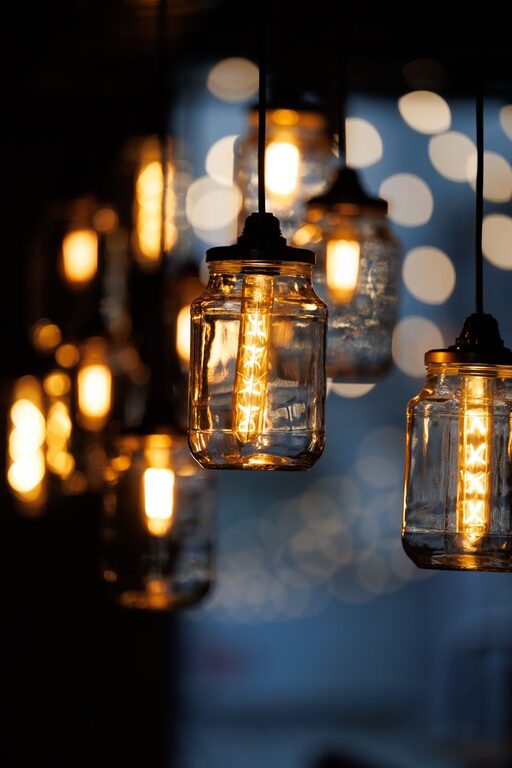
Creating a comfortable and inviting atmosphere in your home starts with good lighting. The right lighting doesn’t just illuminate a room; it enhances mood, highlights décor, and ensures functionality. However, with so many options available—from bulbs and fixtures to smart controls—it can be challenging to know where to begin. This guide offers practical tips to help you choose comfortable home lighting that suits your space, style, and lifestyle.
Why Comfortable Lighting Matters
Comfortable lighting impacts more than just how well you can see. It influences your mood, reduces eye strain, and can even affect your energy levels. Harsh or poorly placed lighting can make a room feel cold or uninviting, while soft, well-distributed light creates warmth and relaxation.
Understand Different Types of Lighting
Before selecting fixtures and bulbs, it’s helpful to understand the three main types of lighting:
1. Ambient Lighting
Ambient lighting provides general illumination for a space. This could be from ceiling-mounted fixtures, recessed lights, or even natural light during the day. It sets the overall tone of the room.
2. Task Lighting
Task lighting focuses on specific areas where activities like reading, cooking, or working occur. Desk lamps, under-cabinet lights, and pendant lights over kitchen islands are common examples.
3. Accent Lighting
Accent lighting highlights particular features, such as artwork, architectural elements, or plants. This adds depth and interest to a room.
Balancing these three types helps create layered lighting that’s both functional and comfortable.
Tips for Choosing Comfortable Lighting
1. Consider the Room’s Purpose
Think about how you use each room. For instance, a living room benefits from warm, soft ambient light for relaxation, combined with task lighting for reading. A kitchen needs brighter, cool light for cooking tasks but can include accent lighting to showcase design elements.
2. Choose the Right Bulb Color Temperature
Color temperature affects how light appears, measured in Kelvins (K).
– Warm light (2700K – 3000K): Creates a cozy, inviting atmosphere, perfect for bedrooms and living rooms.
– Neutral light (3500K – 4100K): Suitable for kitchens and bathrooms where clarity is important.
– Cool light (5000K+): Mimics daylight and is ideal for task-heavy areas like offices or workshops.
Selecting the right color temperature can enhance comfort and reduce eye fatigue.
3. Opt for Adjustable Lighting
Lighting that’s adjustable gives you control over brightness and mood. Dimmers allow you to reduce intensity during relaxed evenings or increase light for activities. Smart lighting systems offer even more flexibility, letting you change colors and schedules with a smartphone.
4. Pay Attention to Light Intensity
Lumens indicate light brightness. Rooms typically require:
– About 1,500–3,000 lumens for living areas.
– 3,000–4,000 lumens for kitchens and bathrooms.
Avoid lighting that’s too bright or too dim, both of which can cause discomfort.
5. Minimize Glare and Shadows
Glare can cause eye strain and make a space unpleasant. Position lights to reduce direct glare on screens or work surfaces. Use lampshades, diffusers, or indirect lighting techniques to soften harsh light. Also, place multiple light sources to minimize shadows.
6. Match Fixture Style to Your Décor
While comfort is crucial, lighting fixtures also contribute to your home’s aesthetic. Choose fixtures that complement your décor style, whether modern, rustic, or traditional. This helps create a cohesive, visually pleasing environment.
7. Consider Energy Efficiency
Comfort also means not worrying about high energy bills. Choose LED bulbs, which use less energy and last longer than incandescent bulbs. Many modern LEDs offer excellent color rendering and dimming capabilities without sacrificing comfort.
Practical Lighting Ideas by Room
Living Room
– Use layered lighting: ambient ceiling fixtures, floor lamps for task lighting, and wall sconces or spotlights for accent lighting.
– Opt for warm color temperatures to create a relaxing vibe.
– Position lamps near reading spots with adjustable brightness.
Kitchen
– Bright, cool-toned ambient lighting to ensure visibility.
– Under-cabinet lights for cooking tasks.
– Pendant lamps over islands or counters to add style and function.
Bedroom
– Soft, warm lighting to promote relaxation.
– Bedside lamps with adjustable light for reading.
– Consider smart bulbs to gradually dim lights at night.
Bathroom
– Neutral to cool lighting around mirrors for grooming.
– Avoid harsh overhead lights; use diffused options.
– Add accent lights for ambiance if space allows.
Final Thoughts
Choosing comfortable home lighting is a blend of understanding your space, personal preferences, and practical needs. By combining the right types of lighting, selecting appropriate bulbs, and considering fixture placement, you can create a well-lit home that feels welcoming and supports your daily activities. Remember, lighting isn’t just functional—it’s an essential part of your home’s atmosphere.
Take time to experiment with different setups and adjust as needed. Comfortable lighting can make a significant difference in how you experience your living space every day.