
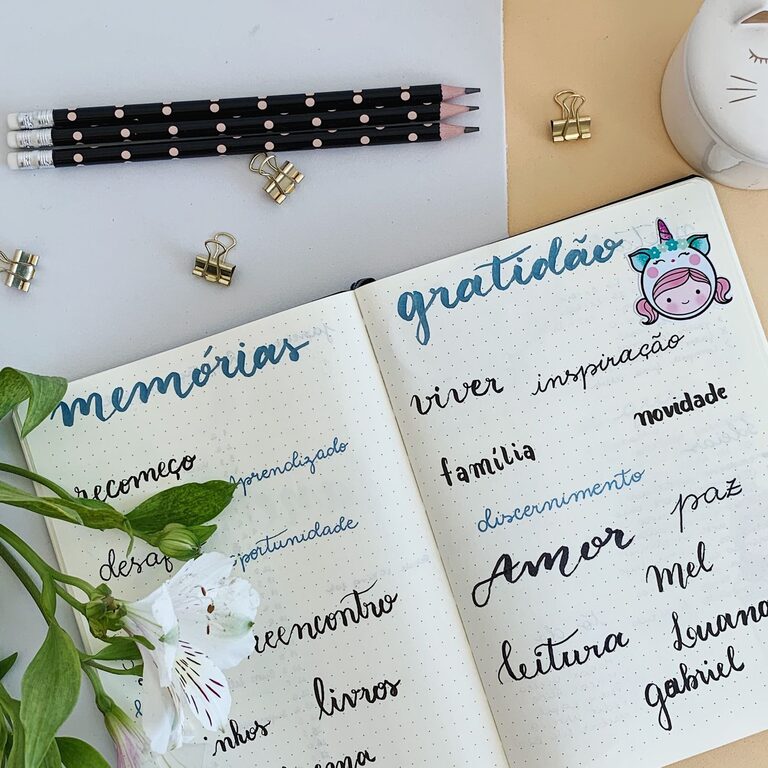
Gratitude journaling is a simple yet powerful practice that helps you focus on the positive aspects of life. By regularly writing down things you are thankful for, you can improve your mood, increase mindfulness, and build resilience against stress. If you’ve been curious about starting a gratitude journal but aren’t sure how to begin, this guide will walk you through everything you need to know.
What Is a Gratitude Journal?
A gratitude journal is a personal notebook or digital document where you write about moments, people, experiences, or things that you appreciate. The goal is to shift your attention toward positivity and acknowledge the good in your life, no matter how small.
Benefits of Keeping a Gratitude Journal
Before diving into the how-to, it’s helpful to understand why so many people find gratitude journaling beneficial:
– Enhances Positive Emotions: Focusing on gratitude encourages feelings like joy, contentment, and optimism.
– Reduces Stress: Reflecting on the good can help reduce anxiety by shifting your perspective.
– Improves Sleep: Writing in your gratitude journal before bed may promote relaxation and better sleep quality.
– Strengthens Relationships: Recognizing the kindness of others fosters connection and empathy.
– Boosts Resilience: Gratitude practice helps you cope better during challenging times.
How to Start a Gratitude Journal: Step-by-Step
1. Choose Your Journal
Decide whether you prefer a physical notebook, an app, or an online document. Some people enjoy the tactile experience of writing by hand, while others prefer digital options for convenience.
Tips:
– Pick something that feels inviting and easy to use.
– Consider a journal with prompts if you want extra guidance.
2. Set a Regular Time
Consistency is key to making gratitude journaling a habit. Choose a specific time each day to write, such as:
– First thing in the morning to start your day positively.
– Before bedtime to reflect and relax.
– During lunch break to reset your mindset.
3. Start Small and Be Specific
Begin by listing 3 to 5 things you feel grateful for daily. Focus on tangible details rather than broad statements.
Examples:
– “I’m grateful for the warm cup of tea I enjoyed this morning.”
– “I appreciate my friend’s thoughtful message today.”
– “I’m thankful for the fresh air during my walk.”
4. Reflect on Why You’re Grateful
After listing your items, take a moment to consider why each one is meaningful. This deeper reflection helps solidify the positive impact.
5. Include Different Types of Gratitude
Try to vary your entries to cover different areas of your life:
– People: Friends, family, coworkers, or even strangers who made your day better.
– Experiences: Special moments, achievements, or simple pleasures.
– Personal Traits: Qualities you appreciate about yourself.
– Nature: Sunshine, flowers, or peaceful surroundings.
6. Use Prompts When Stuck
If you’re unsure what to write, prompts can help spark ideas. Some examples include:
– What made me smile today?
– What’s one thing I take for granted?
– Who has had a positive influence on me recently?
– What is something beautiful I noticed today?
7. Keep It Positive and Judgment-Free
Gratitude journaling is a personal practice without right or wrong answers. Avoid self-criticism and focus on genuine appreciation, even for small things.
8. Review Your Journal Regularly
Every few weeks, take time to read previous entries. This can reinforce your gratitude mindset and remind you of good moments during tougher days.
Tips for Maintaining Your Gratitude Journal
– Set Reminders: Use phone alarms or calendar alerts to prompt journaling.
– Make It Enjoyable: Use colorful pens, stickers, or creative layouts.
– Share With Others: Occasionally share your gratitude with friends or family to spread positivity.
– Be Patient: Habits take time to form, so stick with it even if it feels awkward at first.
Common Challenges and How to Overcome Them
– Feeling Repetitive: Try exploring new areas of gratitude or focusing on different senses or emotions.
– Forgetting to Write: Tie journaling to an existing routine, like after brushing your teeth.
– Lack of Time: Even a quick 2-minute entry can be effective.
Final Thoughts
Starting a gratitude journal is an easy and accessible way to cultivate a more positive outlook in your daily life. It costs nothing, takes minimal time, and offers a variety of mental and emotional health benefits. By following the simple steps above, you can create a habit that nurtures mindfulness, appreciation, and overall well-being.
Give it a try today—you may be surprised at how powerful a few words of thanks can be!