
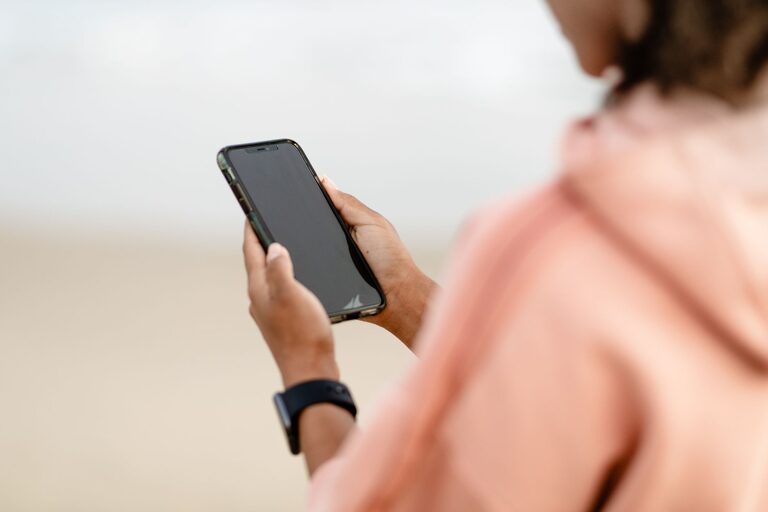
In today’s digital world, smartphones have become essential tools for communication, work, and entertainment. However, excessive or unmindful phone use can lead to distractions, stress, and even affect our well-being. Maintaining healthy phone habits helps you stay balanced, productive, and present. This guide will explore practical tips to foster healthier relationships with your phone.
Why Healthy Phone Habits Matter
Phones offer convenience but can also be a source of constant distraction. Overuse may affect sleep quality, increase anxiety, and reduce face-to-face interactions. Healthy phone habits ensure you use your device as a helpful tool without letting it control your time and attention.
Tips to Maintain Healthy Phone Habits
1. Set Boundaries for Phone Use
Creating clear boundaries around when and how you use your phone is an effective first step.
– Designate phone-free times: For example, avoid using your phone during meals, one hour before bedtime, or during focused work sessions.
– Use “Do Not Disturb” mode: Silence unnecessary notifications when you want to focus or relax.
– Limit social media use: Install apps that track and limit your social media time or schedule specific periods for checking them.
2. Create a Morning and Evening Routine without Phones
Start and end your day mindfully by reducing screen time during these periods.
– Morning: Instead of immediately reaching for your phone, try stretching, journaling, or a quick walk.
– Evening: Establish a tech-free wind-down routine to help signal your body it’s time for sleep, like reading a book or practicing meditation.
3. Organize Your Phone for Simplicity
An organized phone reduces unnecessary distractions and stress.
– Declutter your home screen by keeping only essential apps visible.
– Uninstall apps you rarely use or find distracting.
– Group apps into folders based on categories like productivity, communication, or entertainment.
– Turn off non-essential notifications to minimize interruptions.
4. Practice Mindful Phone Use
Treat your phone use as intentional rather than automatic.
– Ask yourself why you’re picking up your phone: Is it out of boredom, habit, or necessity?
– Use your phone for specific tasks: Avoid aimless scrolling by setting goals, such as checking emails or messaging a friend.
– Take regular breaks: The 20-20-20 rule can apply here—every 20 minutes, look 20 feet away for 20 seconds to reduce eye strain.
5. Engage in Offline Activities
Balance screen time with enriching offline experiences.
– Pursue hobbies: Reading, cooking, exercising, or creative activities can provide rewarding alternatives.
– Spend time outdoors: Fresh air and nature have many mental health benefits.
– Connect face-to-face: Prioritize in-person conversations with family and friends whenever possible.
6. Monitor Your Phone Use
Tracking your phone habits helps build awareness.
– Many smartphones have built-in screen time or digital wellbeing apps that show you how long you spend on each app.
– Review your usage patterns weekly and identify areas for improvement.
– Set realistic goals for reducing screen time gradually.
7. Charge Your Phone Outside the Bedroom
Having your phone out of reach at night can improve sleep quality.
– Use a traditional alarm clock instead of your phone to avoid nighttime checking.
– Charge your phone in another room or a designated spot away from your bed.
Benefits of Healthy Phone Habits
Maintaining balanced phone use can lead to:
– Improved focus and productivity
– Better sleep and reduced eye strain
– Lower stress and anxiety levels
– Enhanced real-life connections and social interactions
– More free time for hobbies and self-care
Final Thoughts
Phones are powerful tools that, when used thoughtfully, enhance our lives. By setting boundaries, creating mindful routines, and balancing screen time with offline activities, you can cultivate healthy phone habits that support your well-being and happiness. Start with small changes, observe the effects, and adapt your habits to find what works best for you.
Remember, the goal isn’t to eliminate phone use but to build a positive, intentional relationship with your device. Your phone can be your ally—not your distraction.